
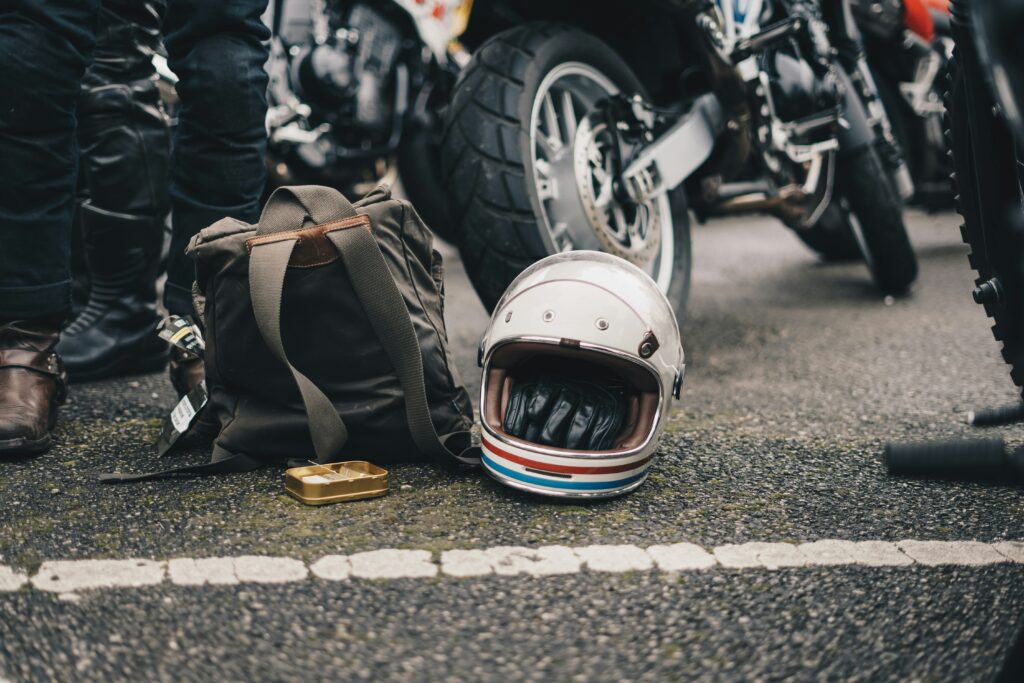
Starting out on a motorcycle is one of the most rewarding things you can do. It is also the moment when getting your gear right matters most. New riders drop bikes. Experienced riders occasionally do too. The difference between walking away with a bruised ego and a serious injury often comes down entirely to what you are wearing.
This guide covers everything a new rider needs to know about motorcycle gear in 2026: what to buy, what to prioritise, what to spend, and what to look for in each category. It is written for road riders, but includes a section on motocross gear for those coming from an off-road background or looking to get started on dirt.
Start With the Right Mindset
Two mistakes come up repeatedly among new riders when it comes to gear.
The first is buying based on looks rather than fit. Gear that fits poorly shifts in a crash, restricts movement, and becomes uncomfortable on longer rides. Fit comes before colour or brand, every time.
The second is skipping protection to save money. As Riders Share and Total Motorcycle both note in their 2026 gear guides: medical bills and time off the bike cost significantly more than proper safety gear. You do not need to spend a fortune, but you do need to spend it in the right places.
A realistic starting budget for a solid beginner setup is between 500 and 800 euros. That covers all five essential items without compromising on safety.
The Five Essentials
1. Helmet
The helmet is the single most important piece of gear you will buy. It is also the category where you should never cut corners, even on a tight budget.
In Europe, the current mandatory standard is ECE 22.06, which replaced ECE 22.05 in 2023. It tests helmets against a wider range of impacts including rotational forces, and any helmet without this certification is not suitable for road use regardless of price or appearance.
The good news is that ECE 22.06 helmets are now available at accessible prices. The HJC C10 was among the first helmets to achieve this certification for under 100 euros and remains one of the most recommended options for beginners in 2026. For riders who want a drop-down sun visor and a Pinlock anti-fog insert, the LS2 Storm II at around 130 euros offers both for a modest step up in price.
One important point on helmets: a 200-euro helmet will protect your head just as well as a 900-euro helmet in a single impact. What the more expensive option gives you is better comfort, lower noise levels, lighter weight, and longer lifespan. Start with a reliable budget option, and upgrade when you know what you want from a lid.
Budget to set aside: 90 to 180 euros.
2. Gloves
Your hands go out first in almost every fall. It is an instinctive reaction that is almost impossible to suppress. Unprotected hands hitting tarmac at any speed cause serious damage.
A beginner glove needs three things: knuckle protection, a reinforced palm, and a secure wrist closure. Everything beyond that is a bonus.
The Alpinestars SMX-2 Air Carbon V2, highlighted by RevZilla in their 2026 beginner gear guide, offers carbon knuckle guards, full-grain leather and mesh construction for breathability, and touchscreen-compatible fingertips at an accessible price point. For summer riding in warm climates, a short-cuff mesh glove with solid knuckle protection is the practical choice.
Budget to set aside: 40 to 80 euros.
3. Jacket
A jacket rated to CE Level 1 at minimum covers the shoulders, elbows, and ideally the back. It prevents road rash across the torso and upper body in a slide, which is one of the most common injury patterns in motorcycle accidents.
For new riders in 2026, a mid-range textile jacket with mesh panelling for ventilation is the most practical starting point. It handles varied weather better than a pure leather jacket, costs less, and is more comfortable for everyday use.
The REV’IT Eclipse 2 at around 150 euros is one of the most consistently recommended options for beginners in this category. It offers solid CE Level 1 protection, adjustable fit, and good airflow for warmer conditions. For riders in warm climates, a mesh jacket makes summer riding genuinely comfortable without sacrificing protection.
One piece of advice worth emphasising: always check whether the jacket includes a back protector or only a pocket for one. A certified back protector is worth adding if it is not included. Back injuries in motorcycle accidents are serious and often avoidable with the right gear.
Budget to set aside: 120 to 200 euros.
4. Boots
Ankle injuries are among the most common outcomes of low-speed falls and tip-overs, which are exactly the situations new riders encounter most often. A sturdy pair of motorcycle boots with ankle protection prevents the kind of damage that a standard trainer or work boot simply cannot handle.
Entry-level riding boots start from around 80 euros and provide meaningful ankle support along with reinforced toe and heel protection. For everyday commuting and general road riding, a casual-style motorcycle boot that works on and off the bike is a practical choice. Purpose-built sport or touring boots offer more protection and are worth considering as your riding develops.
Whatever you choose, make sure the sole provides a firm grip and the boot covers the ankle. Anything shorter than ankle height offers minimal protection in a slide.
Budget to set aside: 80 to 150 euros.
5. Riding Trousers or Jeans
Riding trousers are often the last item new riders buy, but the legs are exposed in any fall and standard jeans provide almost no abrasion resistance at speed.
Kevlar-lined riding jeans are the most practical starting point. They look like regular jeans, work on and off the bike, and provide meaningful protection compared to standard denim. Better options include CE-rated knee and hip armour built into the lining. Prices start from around 80 to 100 euros for reliable options from brands like Oxford, REV’IT, and Alpinestars.
Budget to set aside: 80 to 130 euros.
What to Buy First
If budget is a constraint, buy in this order according to Riders Share’s 2026 gear guide:
Helmet first, always. Gloves second, because hands hit the ground first in most falls. Jacket third, for torso and back protection. Boots fourth, for ankle protection. Trousers last, not because they do not matter, but because the four items above cover the highest-priority injury zones.
Do not ride without a helmet and gloves at minimum, regardless of how short the trip is.
Motocross and Off-Road Gear
For riders coming from a motocross background or looking to get started on dirt, the gear requirements are different from road riding.
Off-road helmets use an open face design with a peak visor and are designed for use with goggles. They are lighter and more ventilated than road helmets, which matters on a physically demanding crosstrack. All off-road helmets should carry ECE 22.06 certification for European use.
Motocross jackets are replaced in most off-road setups by a chest protector worn over a jersey. This combination provides impact protection while allowing the freedom of movement that dirt riding demands. Separate knee and shin guards, elbow guards, and a neck brace for more advanced riders complete the off-road setup.
Off-road boots differ significantly from road boots. They are taller, more rigid, and designed to handle the lateral forces that come from footing on uneven terrain. Do not use road boots for serious off-road riding, and do not use off-road boots for long road trips. They serve different purposes.
For beginners on dirt, a complete setup covering helmet, goggles, chest protector, gloves, boots, and knee guards can be assembled for 400 to 600 euros from brands like Fox, Alpinestars, and O’Neal.
Gear for Warm Climates
If you ride regularly in Spain or other warm European countries, heat management becomes as important as protection. A few specific points:
Full mesh panels outperform zip vents in hot weather. A jacket designed around mesh construction moves air continuously, which matters most in slow traffic where zip vents lose effectiveness.
Light-coloured gear reflects solar heat better than dark alternatives. Black gear absorbs significantly more heat on a sunny day.
In temperatures above 30 degrees, a moisture-wicking base layer under your jacket makes a noticeable difference in comfort on longer rides.
For gloves in heat, a short-cuff mesh glove with knuckle protection provides protection without trapping heat around the wrist.
A Realistic Starter Budget
| Item | Budget option | Mid-range option |
|---|---|---|
| Helmet | HJC C10 – 90 euros | LS2 Storm II – 130 euros |
| Gloves | Basic CE gloves – 40 euros | Alpinestars SMX-2 – 70 euros |
| Jacket | REV’IT Eclipse 2 – 150 euros | Oxford Dakar – 170 euros |
| Boots | Entry riding boots – 80 euros | Mid-range touring boot – 130 euros |
| Trousers | Kevlar jeans – 90 euros | CE armoured riding jeans – 120 euros |
| Total | approximately 450 euros | approximately 620 euros |
Both setups provide genuine protection for road riding. The mid-range options offer more comfort, better ventilation, and longer durability, but the budget setup is a solid and safe starting point.
Final Advice
Buy gear that fits correctly. Try it on, or order from retailers with a clear returns policy. Gear that shifts in a crash or causes discomfort on a long ride is not doing its job.
Replace any helmet after a significant impact, even if there is no visible damage. The internal structure absorbs the impact and does not recover.
And wear it on every ride. The best gear is the gear you actually put on. A quality jacket in your wardrobe protects nothing.
Disclosure: Gear4Moto uses affiliate links. If you purchase through a link on this page, we may earn a small commission at no extra cost to you. This does not influence our recommendations.