
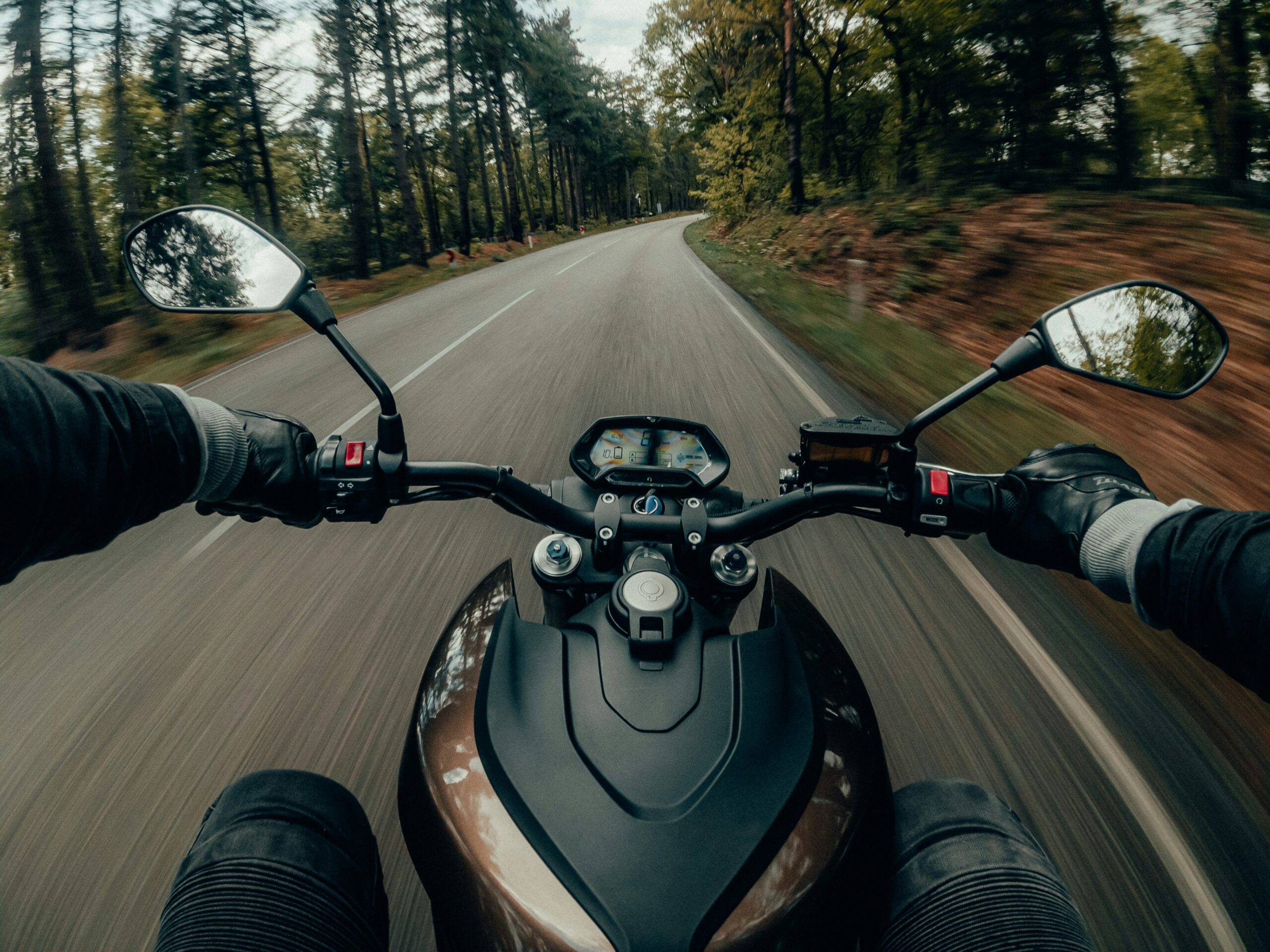
Starting out on a motorcycle is one of the most rewarding decisions you can make. The freedom, the focus, and the connection to the road are unlike anything else. But before you head out on your first real ride, there are five things every beginner rider needs to know – things that experienced riders wish someone had told them at the start.
This is not a list of obvious advice. These are the five areas that make the biggest difference between enjoying motorcycling for years and coming unstuck in the first few months.
Disclosure: Gear4Moto uses affiliate links. If you purchase through a link on this page, we may earn a small commission at no extra cost to you. This does not influence our recommendations.
What’s in this article
Your gear is not optional – and it needs to fit correctly
The most important thing you will ever do on a motorcycle is put on the right gear before you ride. Per mile traveled, riders are roughly 28 times more likely to die in a crash than someone in a passenger car, and that gap has not been closing. The difference between walking away from a crash and not often comes down to what you are wearing.
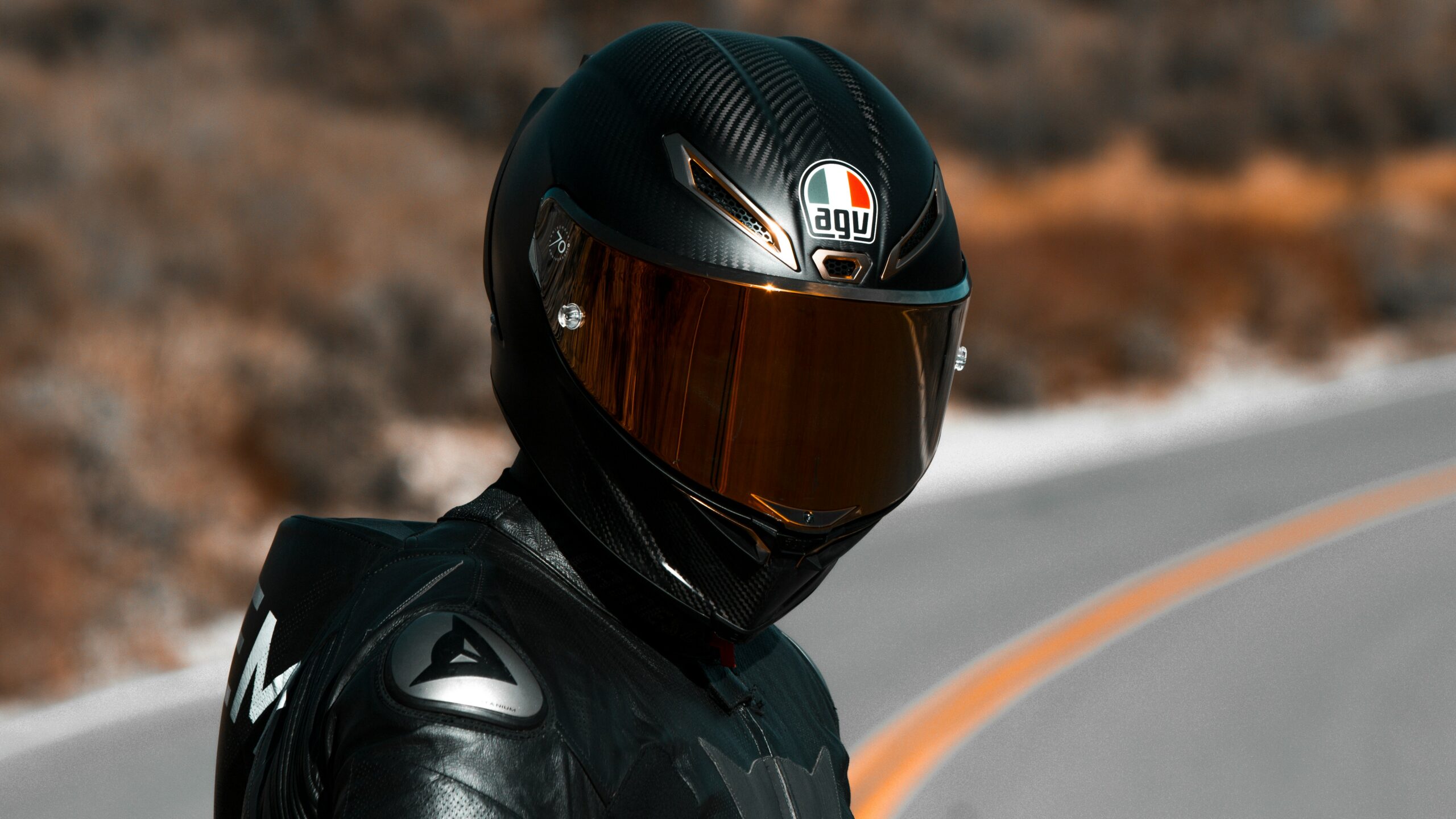
The essentials are a certified motorcycle helmet, jacket with CE armor, gloves with knuckle protection, and boots that cover the ankle. These six essentials – helmet, jacket, gloves, boots, pants, and eye protection – cover the highest-impact areas in a crash and should be on every ride regardless of distance or experience.
But buying gear is only half the equation. Fit is the other half. A helmet that does not fit correctly shifts in a crash and fails to protect properly. A jacket that is too loose moves away from the impact zone at exactly the wrong moment. Try everything on before buying, or order from retailers with a clear returns policy.
The current European certification standard for helmets is ECE 22.06. Do not buy any helmet without it, regardless of price or brand claims.
What to buy:
- A certified ECE 22.06 helmet in your budget
- A CE-rated jacket with shoulder and elbow armor
- Gloves with hard knuckle protection
- Boots that cover the ankle with certified protection
Learn to ride defensively from day one
New riders tend to focus entirely on controlling the bike. That is understandable, but it creates a blind spot: what everyone else on the road is doing.
Motorcycles are much harder to see on the road than other vehicles, and new riders should always be prepared to ride defensively. One of the best motorcycle safety tips for a new rider is to assume other drivers cannot see you. Whether changing lanes or turning into traffic, other drivers may not see you as well as you think.
Defensive riding means always having an escape route. It means positioning yourself in your lane so you are visible to the driver ahead and the driver behind. It means scanning junctions before you enter them, not as you arrive at them. And it means never riding faster than the distance you can see ahead.
The single most effective thing a new rider can do is take a structured motorcycle safety course. Courses teach hazard perception and defensive positioning alongside bike control, and the skills they develop stay with you for the rest of your riding life.
Practical habits to build from the start:
- Always position yourself where you are most visible to other drivers
- Scan junctions and roundabouts well before you reach them
- Leave more following distance than you think you need
- Never assume another driver has seen you
Understand what your gear actually protects – and what it does not
Most beginner riders buy a helmet and a jacket and assume they are fully protected. The reality is more nuanced, and understanding it helps you make better purchasing decisions.
The four main items of motorcycle protective clothing are a helmet, riding jacket, gloves, and boots. These cover the highest-impact areas in a crash. Riding pants, eye protection, hearing protection, and body armor build out a more complete setup.
CE certification comes in levels. Level 1 is the baseline standard. Level 2 absorbs significantly more energy and is worth prioritising wherever your budget allows. Many jackets include Level 1 armor at the shoulders and elbows but only a foam pad at the back. A back protector is one of the most worthwhile additions you can make to any jacket, and standalone CE Level 2 back protectors are available from around 30 euros.
Foam earplugs cost a few dollars and make a real difference on longer rides. Wind noise at motorway speeds causes real hearing fatigue over time, and protecting your hearing early is a habit worth building.
What most beginners overlook:
- Back protection – add a certified back protector to any jacket that does not include one
- Riding trousers – regular jeans offer almost no protection in a slide
- Hearing protection – foam earplugs are cheap and effective on longer rides
- Visibility – a reflective vest costs very little and makes you significantly more visible at night
Maintain your motorcycle before every ride
A mechanical failure on a motorcycle has more serious consequences than the same failure in a car. A slow puncture that would be a minor inconvenience in a car becomes a genuine emergency at speed on a bike. Checking your motorcycle before every ride is not optional – it is part of riding.
The pre-ride check takes less than five minutes once you know what to look for. Check your tyre pressure and look for any visible damage to the sidewalls. Check that your lights work front and rear. Check your brake levers feel firm and not spongy. Check your chain is correctly tensioned and lubricated. And check your fuel level before you leave, not ten minutes into the ride.
Maintaining regular service on your motorcycle helps avoid mechanical malfunctions on the road. Follow the service intervals in your owner’s manual, and if you are buying a second-hand bike, get it inspected by a qualified mechanic before your first ride.
Basic pre-ride checklist:
- Tyre pressure and condition
- Front and rear lights functioning
- Brake lever feel – firm, not spongy
- Chain tension and lubrication
- Fuel level
- Mirrors adjusted correctly
Ride within your limits – and keep expanding them gradually
The most common mistake new riders make is not a technical error – it is a judgment error. They ride routes that are beyond their current skill level, in conditions they are not yet equipped to handle, or at speeds that do not leave room for the unexpected.
Know where you stand. Focus on what applies to you. Are you a beginner, intermediate, or advanced rider? Adapt your riding techniques to different environments and road conditions.
Progress in motorcycling is not linear. Some days everything clicks. Other days the same corners feel less confident than last week. Both are normal. What matters is that you consistently ride within your current abilities, make deliberate efforts to improve specific skills, and give yourself time to consolidate new techniques before adding new challenges.
Start with familiar roads. Add unfamiliar roads once you are comfortable. Add motorway riding once you are comfortable with that. Add night riding, wet weather riding, and longer tours as separate steps rather than all at once.
You have to ride very defensively and focus as much as you can on your surroundings. Wear your motorcycle gear every time you ride. It will save your skin from road rash for sure.
The riders who enjoy motorcycling for decades are not the ones who pushed hardest at the start. They are the ones who built their skills steadily, respected their current limits, and stayed on the bike long enough to become genuinely experienced.
How to keep improving:
- Ride consistently rather than occasionally – regular riding builds skills faster than infrequent long sessions
- Take an advanced riding course once you have the basics in place
- Ride with more experienced riders when you can and observe their road positioning
- Review your rides mentally – what went well, what could have been better
Final thoughts
These five things will not make you an expert overnight. But they will put you on the right path from the very first ride. Gear up properly, ride defensively, understand your protection, maintain your bike, and respect your current limits.
The rest follows with time in the saddle.
If you are still putting your gear together, check our complete guide to the best motorcycle gear for beginners – it covers every category with specific product recommendations across every budget.
Disclosure: Gear4Moto uses affiliate links. If you purchase through a link on this page, we may earn a small commission at no extra cost to you. This does not influence our recommendations.