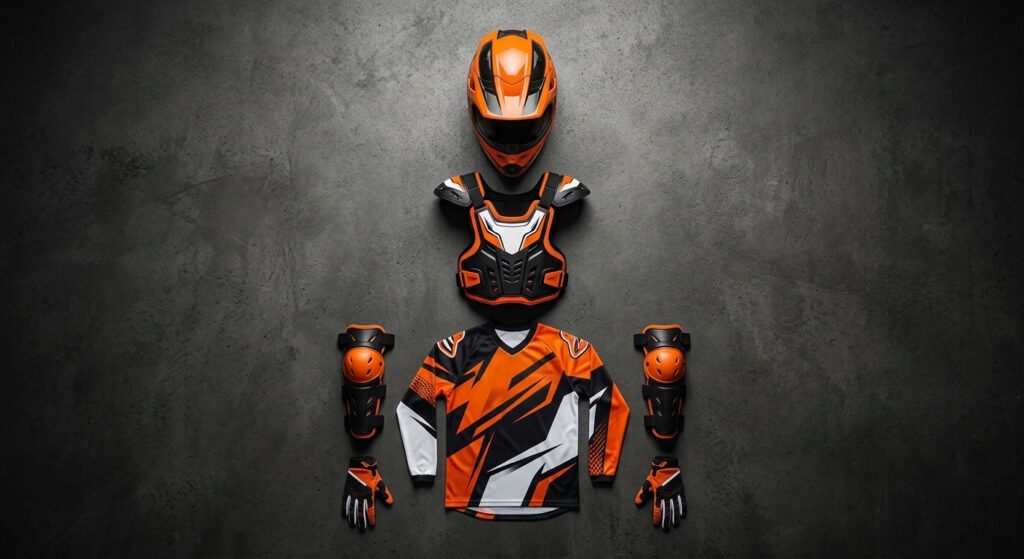
Motocross puts different demands on your mx gear than road riding. You fall more, you fall differently, and the terrain you fall on is unforgiving. The good news is that MX-specific gear is designed for exactly this – and once you know what to look for in each category, putting together a solid setup becomes straightforward.
This guide covers the four essentials: helmets, body armour, jerseys, and gloves. For each category we explain what the specs actually mean, what to prioritise at different budgets, and which products are worth looking at in 2026.
Disclosure: Gear4Moto uses affiliate links. If you purchase through a link on this page, we may earn a small commission at no extra cost to you. This does not influence our recommendations.
What’s in this article
MX Helmets – Full-Face Only, No Exceptions
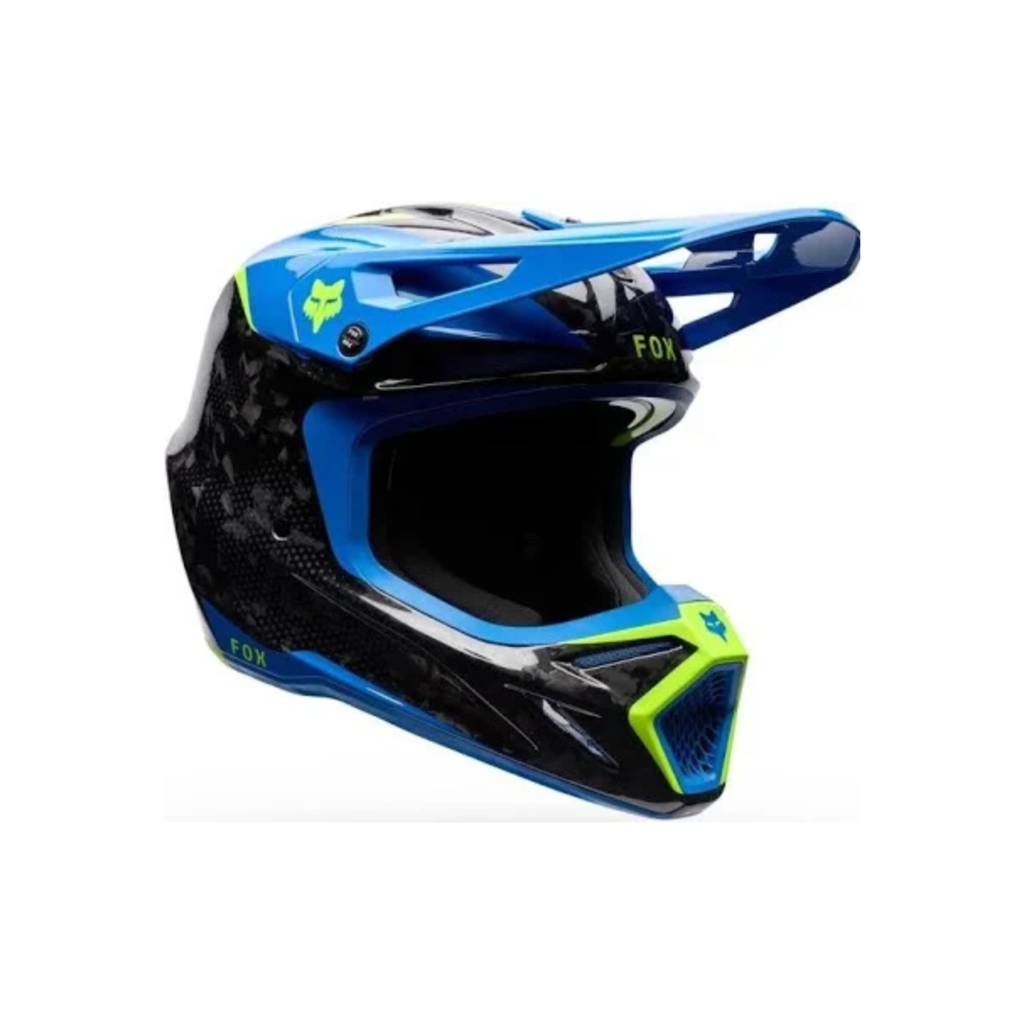
A motocross helmet is not the same as a road helmet. The two share a full-face design, but the similarities end there. MX helmets are built for the specific demands of off-road riding: more ventilation, a sun visor, no built-in visor (you wear goggles instead), and a chin area designed for compatibility with neck braces.
Certifications
Look for ECE 22.06 (European standard, updated 2022) or FIM homologation for track use. DOT certification is US-focused but widely seen on imported helmets. ECE 22.06 is the most stringent standard currently in common use and the one to prioritise for European riding.
MIPS (Multi-directional Impact Protection System) is worth understanding: it is an inner liner that rotates slightly on oblique impacts to reduce rotational force transferred to the brain. It is not a certification but an additional technology found in mid-range and premium helmets from most major brands.
Fit and Ventilation
An MX helmet should fit snugly without pressure points. The helmet should not move when you shake your head. Because MX riding involves physical effort and heat, ventilation matters more than in road helmets – look for large intake vents at the chin and forehead and exhaust vents at the rear.
Weight is also relevant: a lighter helmet reduces neck fatigue on long rides. Premium helmets use carbon fibre or composite shells. Mid-range helmets use polycarbonate or fibreglass – these are heavier but well-protected at the right price.
What to Look At
At the mid-range (€200–350): the Fox V1 and Bell Moto-9S Flex both offer MIPS, solid ventilation, and ECE certification. These are the helmets most club riders and weekend riders end up in after their first cheap helmet lets them down.
At the premium end (€400+): the Fox V3 RS and Airoh Twist 3 use carbon composite shells, weigh significantly less, and offer better ventilation. If you ride regularly or race, the weight saving is worth the cost. Another great option is the normal Fox V3 helmet.
Body Armour and Protectors – Layer by Layer
Off-road falls are frequent and often at lower speeds than road crashes – but the terrain is harder, sharper, and less predictable. Body armour protects the parts of you that hit the ground first: shoulders, elbows, chest, spine, and knees.
CE Levels – What They Mean
Protectors are rated under EN 1621. The standard covers different body areas:
- EN 1621-1: Limb protectors (shoulders, elbows, knees, hips). Level 1 transmits ≤35 kN average force; Level 2 transmits ≤20 kN. Level 2 is noticeably better protection.
- EN 1621-2: Back protectors. Level 1 transmits ≤18 kN; Level 2 transmits ≤9 kN. For MX, a Level 2 back protector is recommended.
- EN 1621-3: Chest protectors (airbag systems). Less common in MX; most MX chest protectors are not CE-rated under this standard but provide significant impact coverage.
What to Buy and In What Order
1. Chest protector – The single most important piece of body armour for MX. A proper MX chest protector covers the sternum, ribs, and shoulders in one unit. Look for models that are compatible with neck braces. The Leatt 5.5 Pro HD and Fox Titan Race are the standard references at mid-range.
2. Knee and shin guards – Knee impacts are common in MX. Dedicated MX knee guards (not the soft-insert type used in road gear) stay in place during active riding. The Leatt 3DF and Fox Launch Pro are the go-to options under €100.
3. Back protector – Either integrated into your chest protector or worn separately under your jersey. A standalone Level 2 back protector from Alpinestars or Dainese is the choice if your chest protector does not include rear coverage.
4. Neck brace – Not essential when starting out, but a serious consideration for regular or track riders. The Leatt GPX series and POD K4 are the two main options. A neck brace works in conjunction with a compatible helmet – check compatibility before purchasing.

MX Jerseys – More Than Just a T-Shirt
An MX jersey is not protective gear in itself – it has no armour. Its job is moisture management, comfort under body armour, and range of movement. A good jersey makes a real difference over a long ride; a bad one traps heat and restricts movement at exactly the moment you need it most.
Materials and Fit
Look for moisture-wicking polyester or mesh panels that pull sweat away from skin and allow airflow. Avoid cotton – it retains heat and moisture, becomes heavy when wet, and chafes under armour straps.
MX jerseys are cut longer in the back and looser in the shoulders than standard athletic wear to accommodate the riding position. They should be worn over a chest protector, which means sizing up one or two sizes from your normal fit. Try on a jersey with your protector on if possible before buying.
What to Look At
At entry level (€30–50): O’Neal Element and Thor Pulse are honest workhorses – good ventilation, durable construction, available in a wide range of colours and sizes.
At mid-range (€60–90): Fox 360 and Answer Syncron add four-way stretch fabric, better cut, and more considered ventilation placement. If you ride regularly, the improved comfort is worth it.
Complete sets (jersey + pants) are available from most brands and often represent better value than buying separately. Fox, Thor, and O’Neal all offer matched sets at various price points.
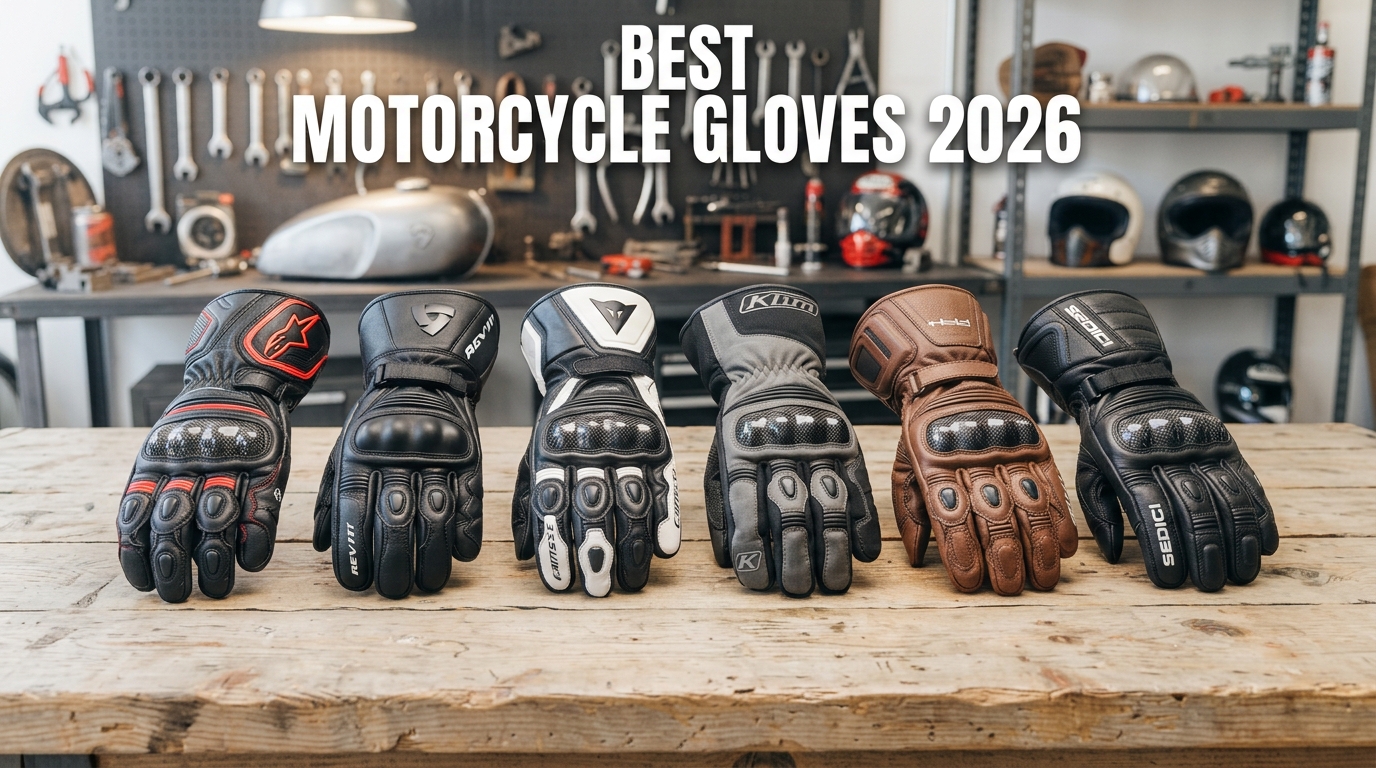
MX gear Gloves – Protection Without Losing Feel
MX gloves are thinner and more flexible than road gloves. You need to feel the controls clearly during active, physical riding – a glove that is too stiff becomes a problem when you need to modulate the clutch or front brake over rough terrain.
What Protection MX Gloves Provide
MX gloves protect primarily against abrasion and impacts on the knuckles and back of the hand. They use hard plastic or rubber knuckle protectors and reinforced palm material. CE certification (EN 13594:2015) exists for motorcycle gloves, though many MX-specific gloves are not CE-rated – the trade-off for flexibility and weight.
What MX gloves do not provide is wrist protection or the same level of abrasion resistance as leather road gloves. If you are concerned about wrist injuries, look for gloves with a wrist guard – the Leatt 3.5 Lite and Fox Dirtpaw both offer versions with extended wrist coverage.
Fit and Sizing
Gloves should fit snugly with no bunching at the palm. Loose material at the palm causes blisters on long rides. Most brands size consistently across the range – measure your palm width and check the brand’s size guide.
At entry level: the Fox Dirtpaw (~€25) is the default recommendation for anyone starting out – durable, well-fitting, good knuckle protection, available everywhere.
At mid-range: the Alpinestars Radar (~€50) adds four-way stretch and better breathability. For warm-weather riding or riders who run hot, the ventilation difference is worth the extra cost.

Building Your MX Setup by Budget
| Category | Entry (~€150 total) | Mid-range (~€350 total) | Premium (~€700+ total) |
|---|---|---|---|
| Helmet | Fox V1 / Bell Moto-9 | Fox V2 / Bell Moto-9S Flex | Fox V3 RS / Airoh Twist 3 |
| Chest protector | O’Neal Warrior / Thor Sentinel | Fox Titan Race / Leatt 5.5 | Leatt 6.5 Carbon / Alpinestars Bionic |
| Knee guards | Fox Launch / O’Neal Slant | Leatt 3DF / Fox Launch Pro | Leatt 5.5 / POD K4 |
| Jersey | O’Neal Element / Thor Pulse | Fox 360 / Answer Syncron | Fox 180 Lux / Thor Hallman |
| Gloves | Fox Dirtpaw | Alpinestars Radar | Fox Flexair / Alpinestars Techstar |
The entry setup covers the basics adequately – you will not be underprotected, but you will notice the weight and ventilation limitations quickly if you ride regularly. The mid-range setup is where the majority of club and weekend riders land and where the value-to-protection ratio is strongest. Premium gear makes sense if you ride multiple times per week or race.
Frequently Asked Questions
Do I need a specific helmet for motocross?
Yes. MX helmets are designed differently from road helmets: they have more ventilation, a sun visor, and no integrated visor (you wear goggles instead). A road helmet will overheat and the absence of a sun visor creates glare issues off-road. Always use a helmet rated for off-road use.
What body armour is essential for motocross?
A chest protector and knee guards are the two most important pieces. Chest protectors cover the sternum, ribs, and shoulders – the areas hit most frequently in MX falls. Knee guards protect against impacts with the ground and the bike. A back protector is a strong addition, especially if your chest protector does not include rear coverage.
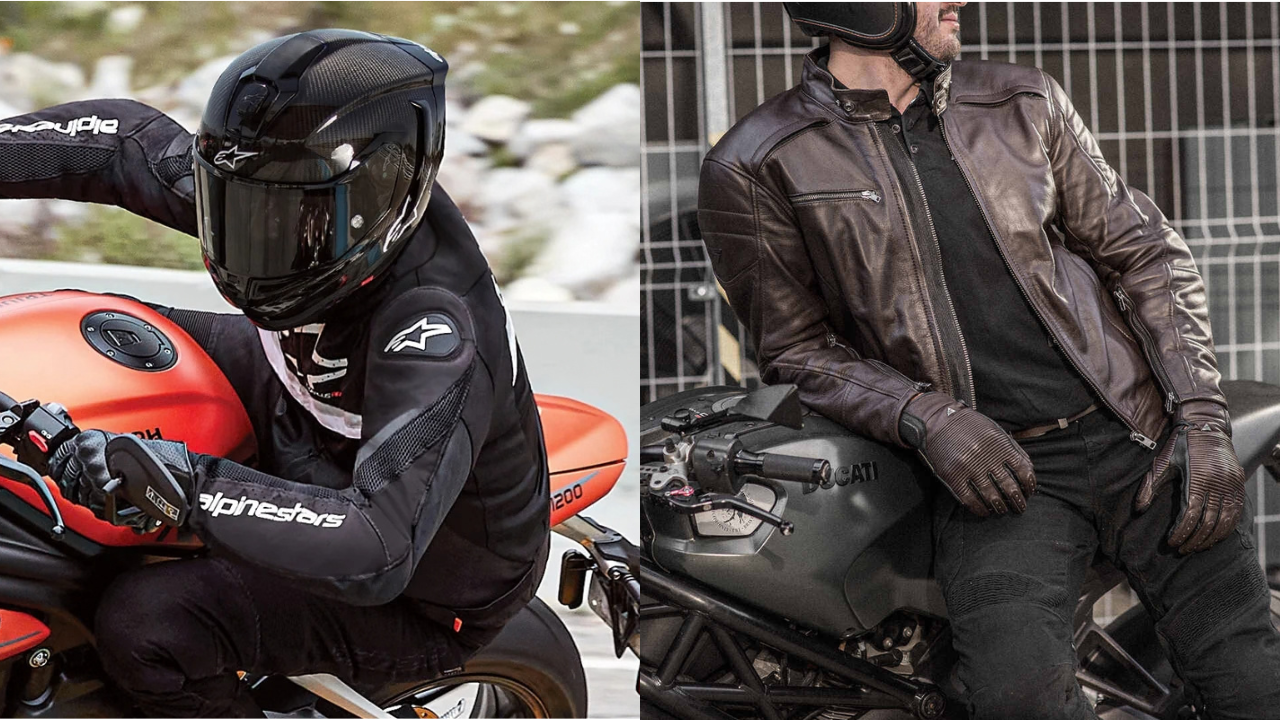
Can I wear road motorcycle gear for motocross?
Not effectively. Road gear is designed for slide protection at speed on tarmac. It is heavier, less ventilated, and restricts movement in the active riding position MX requires. An MX-specific setup – even an entry-level one – will be safer and more comfortable off-road.
How should an MX jersey fit with body armour?
MX jerseys are designed to be worn over body armour, not under it. They are cut longer in the back and looser in the shoulders to accommodate a chest protector. Size up from your normal fit and try on with your protector in place if possible.
What makes MX gloves different from road gloves?
MX gloves prioritise flexibility and feel over maximum abrasion resistance. They are thinner and more flexible than road gloves, with hard knuckle protection but without the thick leather palms of road gloves. The trade-off is intentional: fine throttle and clutch control during active riding requires tactile feedback that a stiff road glove reduces.
Gear4Moto Verdict
A complete MX setup does not need to be expensive to be effective. A mid-range helmet, a proper chest protector, knee guards, and a well-fitting jersey and gloves puts you on the track with solid protection and comfort at a total cost most riders can manage over a season.
Start with the helmet and chest protector – these two items cover the most serious injury risks and should not be compromised on budget grounds. Add quality knee guards next, then invest in comfort items like a better jersey and gloves as budget allows.
The gear you wear every ride is the gear that matters. Get the protection right first.
Disclosure: Gear4Moto uses affiliate links. If you purchase through a link on this page, we may earn a small commission at no extra cost to you. This does not influence our recommendations.